Air Force Days
Deciding to Join the Air Force
After I finished high school in June 1971, which is roughly equivalent to the UK’s A-levels, I tried to get into Tehran University in the autumn that year. At that time, the entrance exam was getting harder, and competition was becoming increasingly fierce. I was offered a place in modern European history, which was one of the options I had selected on the form. However, I had hoped to study mathematics, nuclear physics, or engineering, so I did not accept that place. But if I could not attend university by my next birthday, I would have had to accept conscription and join the army. I kept studying English, science, and mathematics to improve my chances on the next attempt while weighing my options. In the spring of 1972, I saw an advert in a national newspaper (I think it was the Kyhaun newspaper) about joining the Air Force as a pilot. It seemed like a good way out of the dilemma I was facing. I took a coin from my pocket, tossed it into the air, and shouted, “Heads is Air Force”, and it landed heads.
I joined the Air Force Academy in July 1972. I generally enjoyed the academy, and less than a year later, about a month after my father died (April 1973), I was sent to Texas, USA, in May 1973, to begin my pilot training. By high school standards, my English was very good, which helped me pass the English test and meet the academic requirements relatively early. I was then sent to Lackland Air Force Base in San Antonio, Texas, to start my training.
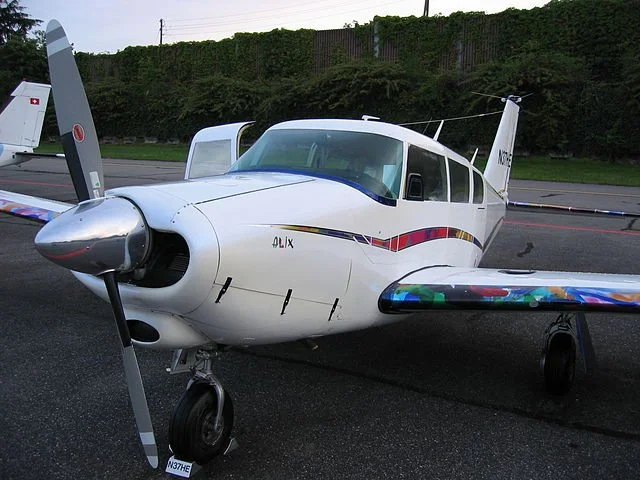
I had a few practice sessions in a low-wing Cherokee Piper trainer in Iran, probably a PA-24, totalling about four hours. A couple of them were with a civilian contracting instructor, which was not a good experience. He was a bad-tempered, nagging instructor. The rest were with a captain from one of the F-4 Phantom squadrons in Tehran. I don’t remember his name, but he was an inspiring instructor who left me with a pleasant sense of calm and confidence that I still feel to this day.
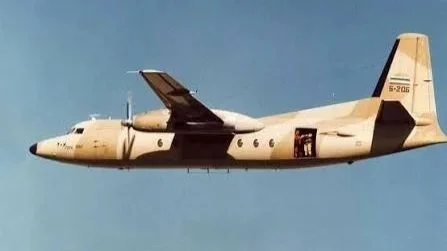
None of the cadets in our group had ever flown in an aircraft, so the Air Force Academy decided to take us from the academy building, which was near Doshaun-Tappeh Air Base in the East of Tehran, to Ghaleh-Morghie Airport, a small dual military-civilian airport in the South of Tehran (It was permanently closed in 2011). They wanted to get us used to flying during the short time we had before leaving for the US. They used a noisy twin-engine military transport plane, the Fokker F27 Friendship(the military F27-400M Troopship variant), which was an exciting and fun experience for a short while. The following photo shows an F-27 in the Iranian Air Force's brown-and-beige camouflage.
In the summer of 1973, I started my training at Lackland Air Force Base (LAFB), located on the southwest side of San Antonio, Texas. Lackland taught English proficiency and American military terminology to Allied pilot candidates. During the 1970s, Lackland served as a critical geopolitical gateway where the US military combined basic training with international diplomacy by providing intensive language and flight training for foreign allies.
I spent about three months at Lackland, living with more than 2,000 young, enthusiastic cadets from around the world, including Europe, South America, the Middle East, and Southeast Asia. A few other Iranian cadets and I shared a barracks with several South American and Vietnamese cadets. This was the first time in my life that I had experienced foreign cultures, languages, and contrasting views of life so closely with so many others.
During the first half of the 1970s, the US implemented its "Vietnamization" policy, which aimed to transfer full military responsibility to South Vietnamese forces. Lackland became the primary processing node for the South Vietnamese Air Force. South Vietnamese cadets were sent there directly from Vietnam to undergo rigorous immersion English courses. Proper English comprehension was a life-or-death prerequisite. Cadets had to fully master American military terminology, complex technical manuals, and radio communication protocols before moving on to specialised flight or mechanic schools.
A few Vietnamese and South American cadets became close friends with some of my Iranian friends and me. We cooked different national dishes for one another, of questionable quality but always great fun, and shared music and sports.
Throughout the 1960s and 1970s, Iran was one of America's closest allies in the Middle East, buying large fleets of advanced US aircraft and defence equipment. To operate this hardware, the Iranian government funded major training programs. Hundreds of Iranian student pilots, along with aircraft and radar technicians, were stationed at Lackland. Mastery of aviation English was a strict safety requirement for communicating with air traffic control and understanding complex technical manuals. I completed my English proficiency course and received my graduation certificate/diploma from Lackland in September 1973, and a few days later started my flying training at Hondo.
While ground training and language classes took place at Lackland, Air Cadets often completed their initial flight screening in nearby Hondo, Texas, about 40 miles west of downtown San Antonio. Hondo Municipal Airport was the primary contractor airfield for Air Force T-41 flight screening. Civilian contract instructors employed by private aviation companies ran the program. Officer candidates from Officer Training School at Lackland AFB and other bases travelled to Hondo for a demanding three-week screening period. They flew about 14 hours in the Cessna T-41 Mescalero (shown below) to assess basic aptitude and weed out those prone to airsickness or lacking essential piloting skills. Those who passed then moved on to military-instructed primary jet training in the T-37.
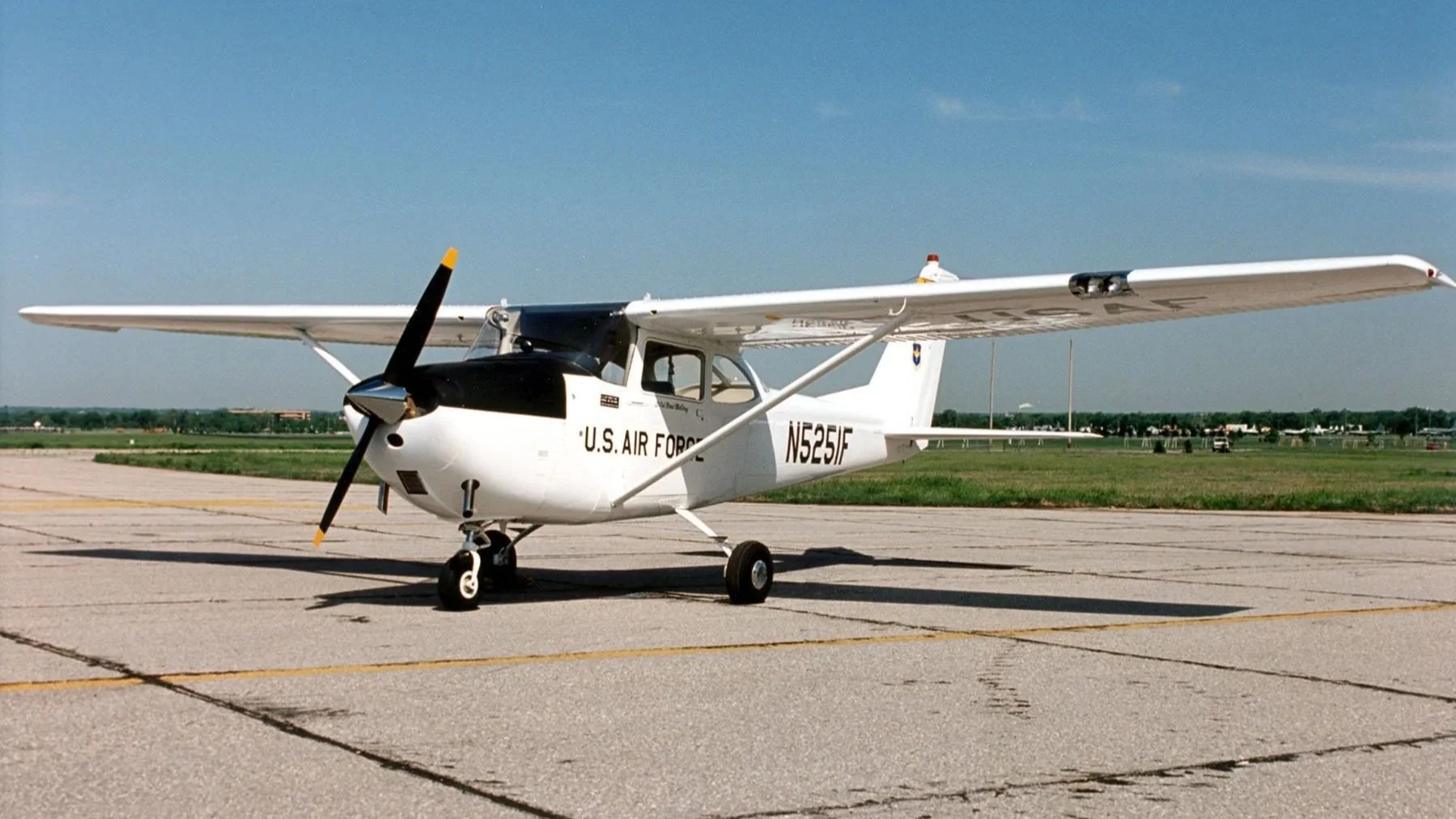
I flew my first solo flight on November 1, 1973, after six hours with a civilian instructor who seemed very old but was patient and pleasant. Then I flew a few more hours in a Cessna T-41 with the same instructor before moving on to Webb Air Force Base to begin flying the T-37.
Successful cadets were then assigned to a main Air Training Command (ATC), such as Laughlin, Webb, Reese, Vance and some other bases, to begin the official year-long jet training syllabus. They spent the first half of the year flying the twin-engine Cessna T-37 Tweet and the supersonic Northrop T-38 Talon. Training focused on basic jet handling, night flying, basic instrument navigation, and early formation work.
During the 1970s, these bases became a major hub for the ATC and played a key role in training foreign candidates. Under the United States' International Security Assistance Programs, especially the Foreign Military Sales (FMS) program, these bases trained allied pilots from around the world, including those from the Imperial Iranian Air Force (IIAF), with hundreds of young Iranian cadets completing Undergraduate Pilot Training (UPT) there.
I was sent to Webb Air Force Base in Big Spring, Texas, which was one of the Air Training Command’s primary Undergraduate Pilot Training (UPT) hubs. Webb AFB was particularly responsible for shaping the program's early standards, hosting a large share of international cadets, and leaving a distinct historical footprint, as it was the first base to implement the T-37 and T-38 joint training pipeline. By the time I arrived at Webb Air Force Base, Webb’s flying instructors had already perfected the exact instructional methods, syllabus pacing, and flight safety protocols that would later be mirrored at other Texas bases like Laughlin and Reese. Deep institutional experience with foreign flight candidates uniquely prepared Webb to bridge the steep language and cultural barriers presented by the incoming Iranian cadets.
The flight training process lasted roughly one to one and a half years, following the same rigorous Undergraduate Pilot Training (UPT) pipeline that American officers went through. Air cadets spent the first half of the year flying the twin-engine Cessna T-37 "Tweet", a side-by-side subsonic jet trainer (shown below).
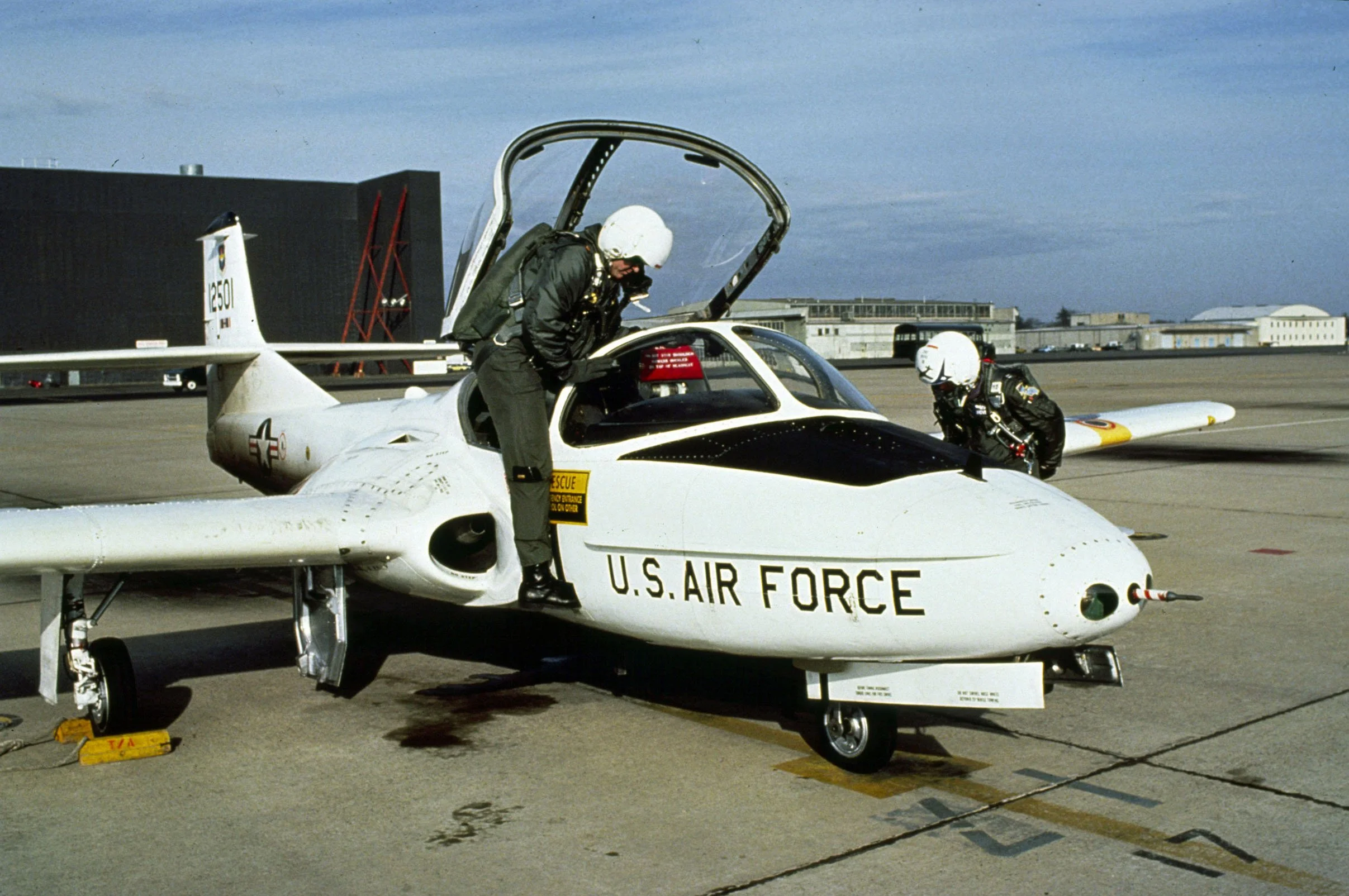
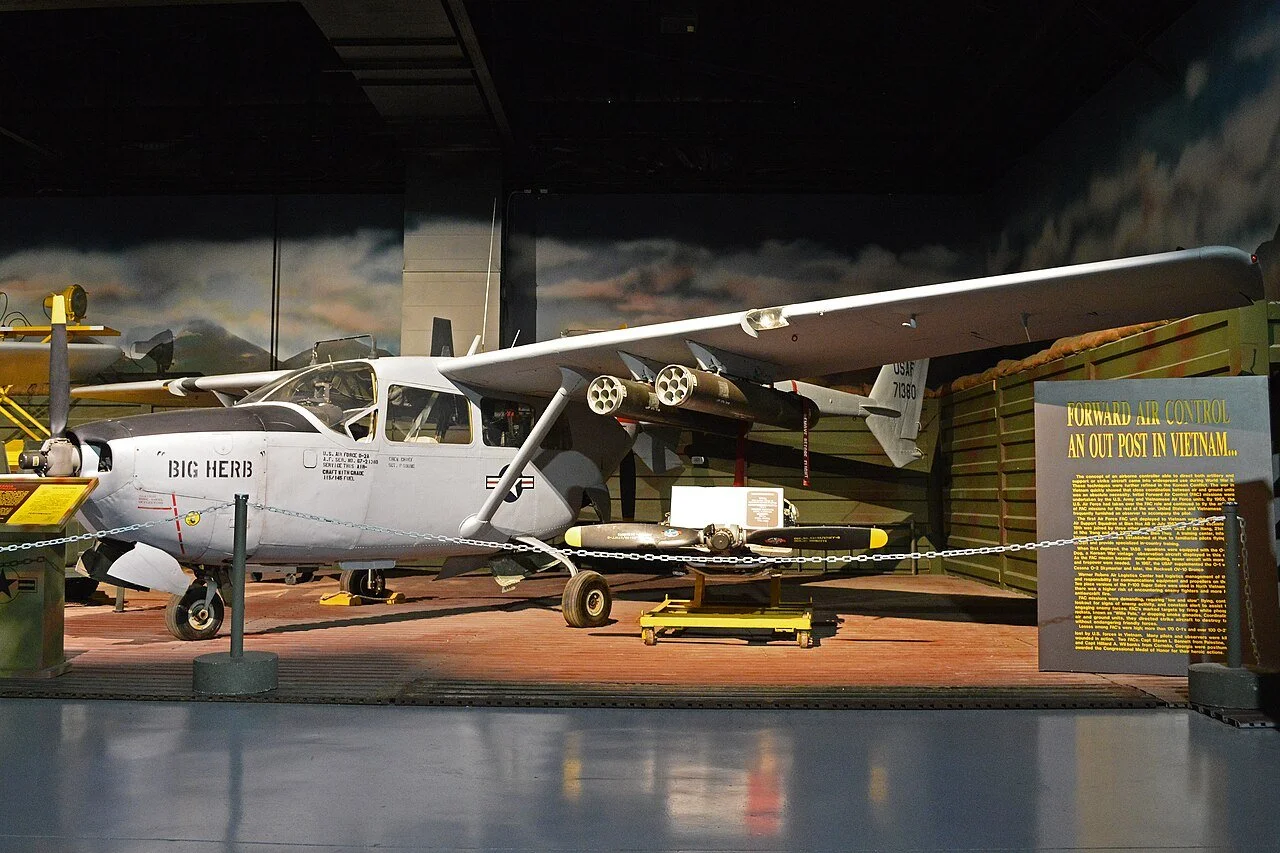
I was assigned to the 78th Student Squadron at Webb AFB. First Lieutenant Barry Abbott, a Vietnam War veteran, was my instructor in the T-37. Before becoming a T-37 instructor, Lt. Abbott flew the Cessna O-2 Skymaster (shown below) as a Forward Air Controller (FAC) over the vast plains and jungles of Southeast Asia (arguably one of the most dangerous missions in Vietnam). FAC pilots were highly experienced, making them ideal candidates to return to the US and train the next generation of aviators.
Primary jet training in the Cessna T-37 Tweet at Webb Air Force Base was an intense, high-pressure crucible. The T-37 phase served as the main filter to determine whether a candidate, American or international, had the psychological fortitude and motor skills to survive supersonic flight.
For young cadets, like my younger self, the T-37 phase was a shock to the system. It turned flying from a romantic idea into a relentless, exhausting job. Days routinely lasted 12 to 14 hours. We, cadets, balanced intense physical training, aerospace physiology, and extensive ground school, covering complex aerodynamics, meteorology, and jet engine systems. The T-37 was an unpressurized, cramped aircraft. Its twin Continental J69 turbojet engines produced a notorious, continuous, high-pitched screech that caused severe auditory fatigue over multi-hour sorties.
Every morning started with the dreaded "Stand-Up" briefing. The instructor would call on a student at random, order them to stand, and grill them on emergency procedures or aircraft limitations. A single stutter or missed airspeed reading could earn a reprimand or a failing grade for the day. To survive, we had to spend some of our few evening hours "chair flying," sitting at a kitchen table with a broomstick, eyes closed, rehearsing every switch flip, radio call, and checklist item entirely from memory to build muscle reflex.
The side-by-side seating of the T-37 allowed instructors to watch a cadet's eyes, hands, and sweat levels in real-time. They were looking for distinct survival traits, such as Situational Awareness (SA), Stress Tolerance, Assertiveness, and Rapid Calculated Reaction. The T-37 moved at 200 to 300 knots. Instructors watched to see if the student’s mind was ahead of the aircraft or trailing behind it. If a cadet struggled to handle radio traffic while simultaneously keeping track of their altitude and heading, they were flagged.
Instructors deliberately induced stress by barking commands, demanding instant calculations, or suddenly simulating engine failures. They needed to ensure the student responded with controlled assertiveness rather than freezing or panicking. Instructors did not expect perfection, but they did demand quick correction. If a student made a mistake during a power-on stall or spin recovery, they were expected to absorb the critique and correct it on the very next manoeuvre. Repeating the same mistake two or three times was a fast track to an elimination check ride that could result in a washout (attrition or failure). The typical washout rate across military fighter jet training programs ranges from 15% to 25%, depending on where a candidate is in the pipeline.
At the time, flying depended largely on manual "stick-and-rudder" airmanship, analogue dial cockpits, and mental calculations, since advanced digital flight computers, GPS, and high-fidelity virtual reality simulators did not yet exist. The T-37 phase emphasised contact flying (using visual references only), aerobatics, some instrument flying (using instruments only), and night flying, which combined contact and instrument flying after sunset.
The Social Life at Webb Air Force Base
While the flight line was an absolute pressure cooker, the social life of Undergraduate Pilot Training (UPT) classes at Webb Air Force Base was legendary. Because the washout (attrition) rate was so high, student pilots adhered strictly to the "work hard, play harder" ethos. The pressure bound the students in each cohort into fiercely tight-knit groups, and they found highly active ways to blow off steam right on the base and in the surrounding West Texas community.
The absolute hub of entertainment at Webb AFB was the Officers' Club (O Club), specifically the legendary "Stag Bar" or pilots’ lounge. Pilots blew off hard work by playing Crud, a fast-paced, high-contact, chaotic version of billiards played with bare hands instead of cues. It involved sprinting around the table, blocking opponents bodily, and routinely resulted in torn shirts and spilt drinks. The Era of Go-Go Girls: In the early 1970s, before a cultural shift pushed for more family-oriented military bases, the Webb AFB O-Club regularly featured live bands and Go-Go girls on Friday nights.
Webb operated like a self-contained town, offering multiple sports and recreational outlets so cadets didn't have to leave the gates to clear their heads. Physical fitness was a massive part of the culture. The base featured fully equipped gymnasiums, basketball courts, and an outdoor swimming pool that became the primary gathering spot during the blistering West Texas summer months.
For lower-key nights, the base theatre showed movies just a few weeks behind commercial cinemas, and the bowling alley was a cheap, popular spot for squadrons to hold intra-wing tournaments. The "Hog Trough" was the informal nickname for the student-pilot snack bars and casual lounges near the flight lines, where cadets could grab a quick burger, down a coffee, trade flight-line gossip, and sketch out manoeuvres on napkins, away from the piercing eyes of senior officers.
Because Big Spring, Texas, was a relatively small industrial and oil town, the arrival of hundreds of young, affluent military officers, specifically the Iranian cadets, shook up the local social scene. UPT classes routinely organised large private parties at local ranches or rented halls, inviting the local civilian population. Iranian cadets, who were well-funded by the Shah's government, often threw lavish parties, drove sports cars, and were highly popular in the local community. When Big Spring felt too small, cadets would pile into cars on Saturday nights and drive west to the larger cities of Midland and Odessa, which offered bigger nightclubs, steakhouses, and a broader dating pool.
The Iranian cadets had a unique way of creating their own social solace. Because they faced intense language immersion and a massive culture shock, they leaned heavily on each other. They frequently gathered in the base housing dayrooms to cook traditional Persian meals together, using ingredients shipped to them by family members or sourced from larger Texan cities. To break up the monotony, American and Iranian students frequently hosted cultural exchange dinners, where Texas barbecue was swapped for Persian kebabs.
Phase 3 of UPT, The Ultimate Qualification
Graduating from the T-37 phase did not mean a pilot had earned military wings or any automatic credentials. It was strictly an intermediate gateway. Passing the T-37 check rides proved that the cadet possessed the baseline competencies in military jet aviation, basic aerobatics, formation flying, night operations, and advanced instrument navigation. From here, some were sent to either the Tanker and Transport Pipeline (The Heavies), such as the Boeing KC-135 Stratotanker, Lockheed C-130 Hercules, or other massive strategic support aeroplanes. Or to the Helicopter Track. A select number of students were allocated per class for rotary-wing aviation and bypassed the T-38.
In my T-37 group, I was the only Iranian who moved on to the T-38 training squadron. Some were sent back to Iran to fly C-130 Hercules or other utility or transport aeroplanes and helicopters. A couple were washed out of pilot training altogether and were typically reassigned to non-flying roles such as Aircraft Maintenance, Weapons Systems Officer (WSO), or Air Traffic Control.
The ultimate qualification was authorisation to advance to phase 3 of Undergraduate Pilot Training (UPT) on the supersonic NorthropT-38 Talon(shown below). US Air Force pilot candidates and international cadets only earn their official USAF Pilot Wings and Military Pilot Aeronautical Rating after successfully completing the entire UPT pipeline, capped off by the gruelling T-38 phase.
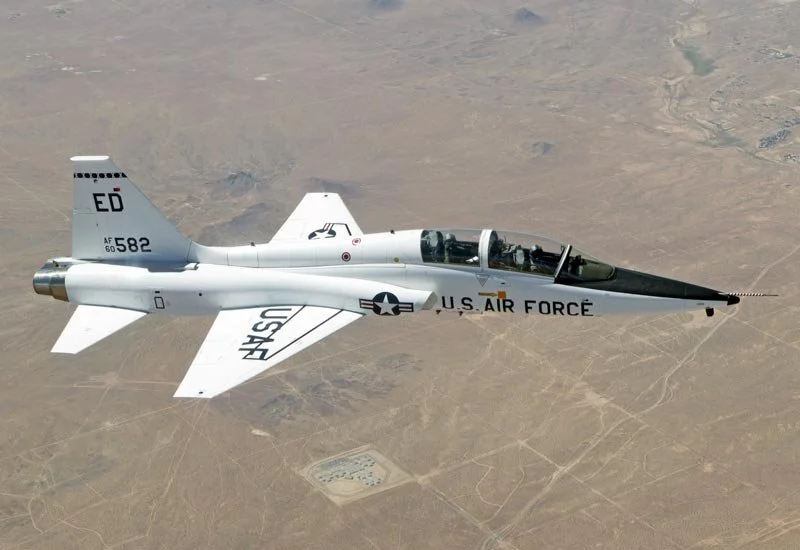
Transitioning from the Cessna T-37 to the Northrop T-38 Talon was equivalent to stepping out of a family sedan and into a Formula 1 race car. As the final, high-stakes phase of Undergraduate Pilot Training (UPT) under the 78th Flying Training Wing, the T-38 portion was designed to push student pilots to their absolute physical and mental limits.
The T-38 phase was much more intense than the T-37, mainly because of the aircraft’s blistering speed, physical demands, and unforgiving nature. The T-38 was a supersonic trainer capable of reaching Mach 1.3. In the West Texas skies, everything happened at breakneck speed. A student pilot could cover a mile in just a few seconds, so any hesitation in navigation or communication could mean completely busting military airspace boundaries.
For the first time, students routinely pulled heavy G-forces during advanced acrobatics and tactical formations. Pulling 4 to 5 Gs became standard, requiring physical stamina to prevent G-induced loss of consciousness (G-LOC). Unlike the T-37's side-by-side seating, the T-38 featured tandem (front and rear) seating. The instructor sat behind the student. Cadets could no longer rely on visual cues from their instructor's hands or eyes; they were entirely isolated in the front cockpit, flying on instruments and audio commands over the intercom. The T-38, the White Rocket, was notoriously unforgiving during landings. It had an extremely high approach speed (around 135–150 knots) and tiny, thin wings. If a student let the airspeed drop too low on final approach to Webb's runways, the jet would rapidly sink into an irrecoverable stall.
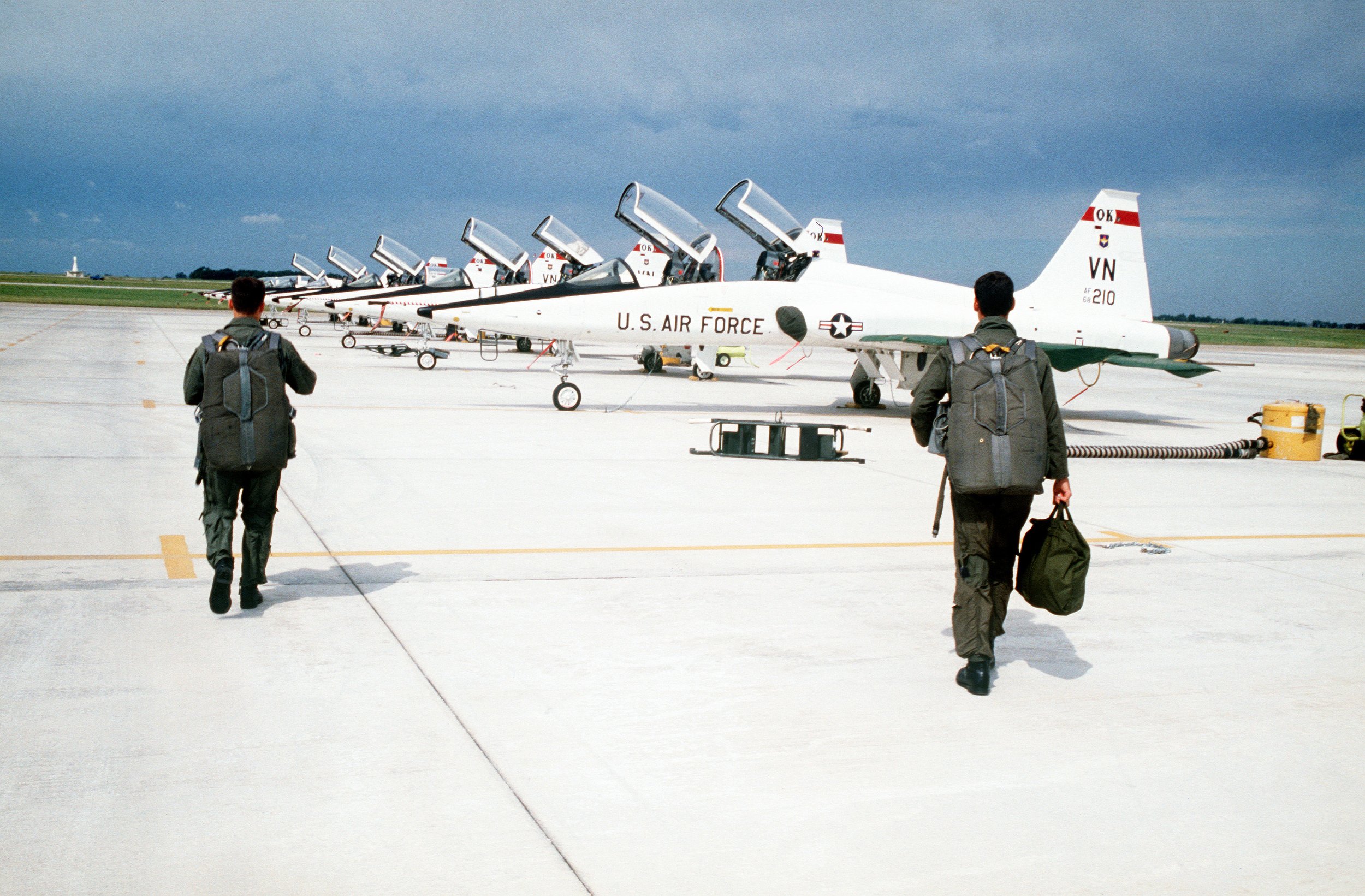
In this final phase, instructors were no longer testing whether a student could fly; they were testing whether the student could handle a high-performance weapons system under extreme duress. Instructors focused heavily on blind flying. Under a canvas hood, students had to navigate entirely by instruments through turbulent West Texas weather, executing precise radar approaches down to minimum altitude ceilings.
Instructors looked for steady hands and absolute trust during close formation flying. Students flew four-ship tactical formations, positioned just feet away from other aircraft while twisting through vertical loops and rolls at 400 knots. Instructors looked for any sign of "pilot-induced oscillation" or panic-induced overcorrection that could cause a catastrophic midair collision. The T-38 moved too fast for a pilot to look up emergency checklists during a crisis. Instructors looked for instantaneous, correct memorisation of boldface emergency procedures, such as engine fires or hydraulic failures, while simultaneously controlling the aircraft.
My first solo flight in the T-38 was on 12th November 1974, and I completed the T-38 course on 18th March 1975, graduating from UPT.
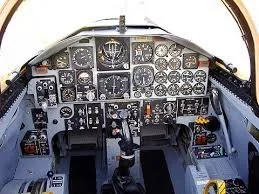
In this phase, we also received training for ejection and post-ejection emergencies through programs that taught us how to survive in the wilderness, evade enemy capture, and use the survival kit stored in the ejection seats. When a pilot ejected, they didn't just eject with a parachute; they sat on their survival kit. Upon ejection, a fibreglass container (the seat pan) would deploy, dangling below the pilot on a long lanyard. This kit contained the bare essentials needed to keep a pilot alive for up to 72 hours, including a basic medical kit, a space blanket for temperature control, a waterproof matchbox, a signalling mirror, and a survival packet with fishing line, hooks, water purification tablets, high-calorie sweet bars, and small, flexible plastic pouches of drinking water. Later, at Vahdati AFB in Dezful, we revisited this training in much greater depth and detail. This advanced phase supposedly prepared us for ejection over oceans or lakes, teaching us how to disentangle ourselves from the parachute while submerged.
Graduating from the T-38 phase at Webb Air Force Base was the ultimate milestone, earning prestigious credentials. The most important and emotional qualification was receiving the official USAF Aeronautical Rating of Pilot, marked by the pinning of the pilot wings. Thanks to military-civilian agreements, graduating from UPT also automatically qualified the pilot to apply for a Federal Aviation Administration (FAA) Commercial Pilot Certificate with an Instrument Rating, bypassing the traditional civil flight school pipeline.
A BSc in Aeronautics or not?
The graduates of other military academies in Iran (army and police) at the time received an equivalent of a BSc in their own field in addition to their military rank, but such arrangements for the Air Force academy were not yet in place in the 1970s. At that time, there was a major disparity in how Iran's military branches structured higher education. The graduates of the Army's Military Academy (Daneshgadeyh Afsari) and the Police Academy (Daneshgadeyh Polis) receive a formal academic Bachelor’s degree (liesaunce) alongside their military commission. The Ministry of Science and Higher Education in Iran explicitly accredited these institutions. The curriculum was a strict, four-year program combining classical military science with fully recognised university-level coursework.
The Air Force did not follow this model for its pilots because of the extreme urgency of its expansion. In the 1970s, the government was pouring billions into the most advanced aircraft in the world (F-4s, F-5s, and F-14s). They needed hundreds of combat-ready pilots immediately. To meet that need, they bypassed the traditional four-year domestic academic degree. Air cadets received language training in Iran, moved quickly through a brief initial military orientation, and were sent straight to UPT (Undergraduate Pilot Training) in the United States. For American candidates, UPT is actually a postgraduate activity. To even apply for UPT, a US citizen must already hold a four-year bachelor's degree from an accredited university and be a commissioned officer.
This rushed process took about 2 to 3 years in total. It was a hyper-focused, gruelling military flight-training program, not an academic university curriculum. Because Air Force pilots returned as Second Lieutenants, holding the same military rank as four-year Army or Police Academy graduates but without an accredited academic degree, this created a professional and social gap. To bridge it, discussions and proposals were raised in the 1970s to find a way for returning pilots to obtain academic credentials. A proposed agreement with the University of Tehran to assess their extensive UPT flight training and award them an equivalent "BSc in Aeronautics" was considered and promised to the pilots. However, the program was never officially finalised or implemented before the 1979 Revolution disrupted the entire military framework.
Nonetheless, I have always listed a BSc in aeronautics on my CV, dated the same day we were told we should have obtained the credentials (July 1975).
Fighter pilot training in the Islamic Republic of Iran Air Force (IRIAF) now fully closes the degree gap of the 1970s. Since 1988, the entire training process has been integrated into an accredited military university structure that grants degrees. Aspiring military pilots enter Shahid Sattari Aeronautical University in Tehran. Cadets do more than complete flight training; they are enrolled in a formal four-year undergraduate academic curriculum, and upon finishing their rigorous military, academic, and flight syllabi, graduates are awarded two things at the same time: a fully accredited Bachelor of Science (BSc) degree, typically in fields such as Aviation or Aerospace Engineering, and their military pilot wings and a commission as a Second Lieutenant, bringing them into exact academic and professional alignment with graduates of the Army and Police academies.
Short Training at Mehrabad
I returned to Iran on 21 March 1975 and immediately began my tactical fighter (combat) training. The first phase of that training took place in Tehran, on the military side of Mehrabad Airport, which was then Iran's main international airport. Here, I was assigned to fly the F-5A single-seat tactical fighter jet.
At Mehrabad, I first completed the ground school academics and a specialised three-week introductory bridge course. It covered high-angle-of-attack (AoA) aerodynamics, high-AoA aircraft handling, aerodynamic stalls, and spin recovery specific to the F-5 tactical fighter jet. It also included G-tolerance and physiological training to prepare for the sustained high-G forces of tactical fighter turns. New fighter pilots must memorise the exact airframe stress limits, avoid exceeding speed limits, and follow weight limits for external fuel tanks and heavy combat ordnance configurations.
New fighter pilots spend many days in the classroom mastering the structural and mechanical complexities of their specific aircraft, in my case, the F-5A. We studied the unique quirks of the engines (the F5-A had two General Electric J85-GE-13s) and the multi-tiered hydraulic backup loops. T-38s do not have combat radars or weapon pylons. Fighter pilots must spend countless hours learning radar mechanics, tracking geometry, and the complex avionics interfaces needed to lock onto targets or program bombing runs. They also memorise bold-faced emergency checklist actions for scenarios such as dual-engine flameouts, hydraulic failures, or generator drops. Once this foundational ground training is complete, the syllabus shifts heavily to tactical mission planning before any flight, as I learned at Dezful Air Force Base. A crucial part of mission planning is Tactical Briefing Procedures, where we learned the strict "plan-brief-execute-debrief" sequence, in which pilots spend up to two hours before a flight meticulously mapping out weapons delivery, radio parameters, and defensive split manoeuvres.
Mehrabad Airport
At the time, the military sector of Mehrabad Airport served as the 1st Tactical Air Base (TAB 1) of the Iranian Air Force (IIAF). It became the busiest and most strategically important military installation in Iran, thanks to the Shah’s rapid modernisation and multibillion-dollar defence spending. The base was home to the 11th and 12th Tactical Fighter Squadrons, which operated frontline, American-built F-4E Phantoms. Mehrabad also hosted the 11th Tactical Reconnaissance Squadron, flying specialised RF-4E (Photo Phantoms) alongside a few older aircraft.
The IIAF operated dedicated Boeing 707 and Boeing 747 tanker/transport squadrons directly out of Mehrabad. Additionally, the 11th and 12th Tactical Transport Squadrons used fleets of C-130 Hercules aircraft to ferry troops and supplies throughout Iran's expanding military network. The base also housed the Iranian Helicopter Support and Manufacturing Company (IHSMC), which was tasked with upgrading and overhauling Iran's vast fleet of Western military helicopters.
While the base's main frontline combat power centred on the heavier F-4 Phantom, F-5 variants still maintained a distinct and active operational presence at Mehrabad. One example was the specialised Northrop RF-5A Freedom Fighter used by the 11th Tactical Reconnaissance Squadron. These lightweight, camera-equipped jets flew alongside the squadron's larger RF-4E to carry out vital short-range, high-speed visual and photographic intelligence missions.
The Iranian Aircraft Industries (IACI) facilities located on the Mehrabad compound were responsible for depot-level maintenance, structural overhauls, and repairs for the Imperial Iranian Air Force's entire F-5 inventory. Consequently, there was a constant, rotating presence of F-5s from various regional squadrons stationed at Mehrabad to undergo technical updates or deep servicing.
Between January 1974 and 1976, Iran took delivery of 166 newer F-5E Tiger II and F-5F two-seat trainers from the United States to systematically replace its older F-5A/B models. As the country’s premier aviation logistics hub, the military side of Mehrabad served as the primary entry, assembly, and checkout point for these brand-new airframes before they were distributed to frontline tactical air bases across the country, such as Tabriz (TAB 2) and Dezful (TAB 4).
Vahdati Air Base, Dezful
On 25 April 1975, I went to Dezful Air Force Base in the southwest of the country, in Khozestan province. In the mid-1970s, Vahdati Air Base in Dezful, officially known as Tactical Air Base 4 (TAB 4), was a premier frontline air base of the Imperial Iranian Air Force (IIAF), heavily equipped and one of the most advanced and strategic outposts in the Middle East.
The primary mission of Dezful Air Base was air defence and regional deterrence along Iran's western borders. It also served as the main home for several tactical fighter and training squadrons flying American-made Northrop F-5 light supersonic fighters (A & B, and later E & F). It was elite, trusted and secure enough to host high-profile events, including early flight training for the Shah's son, Reza Pahlavi, who completed his first solo flight in an F-5 there in 1977.
Vahdati AFB was home to the 41st Training Squadron, the 42nd Tactical Squadron, and the 43rd Combat Training Squadron. These units played a major role in integrating newly arrived pilots into training. Lieutenant General Nader Jahanbani served as the Deputy Wing Commander of Vahdati (TFB 4).
For the pilots in the mid-1970s, life at Dezful was shaped by a stark contrast between elite westernised privilege and intense, high-stakes military readiness. Because the Shah’s government relied heavily on US military hardware, the base hosted a large number of American technical advisers. Iranian pilots and American advisers lived and worked side by side, creating a culturally distinct, westernised military community deep within Iran. As highly respected Air Force officers, pilots enjoyed an exceptionally high social status and standard of living. The base offered premium housing, modern recreational amenities, clubs, and access to imported American goods, resembling a classic US Air Force base. Despite the comfortable lifestyle, the daily routine was gruelling. Pilots took part in relentless, high-intensity readiness, sitting on standby in blast-proof hangars, fully armed and prepared to take off within minutes of a siren, even in the absence of formal military hostilities.
For a fighter pilot, Vahdati was paradise. The surrounding desert and open airspace offered unrestricted flying with no civilian traffic. Pilots could push their F-5s to the absolute limit, flying low-level supersonic missions through the mountains and over the plains without the bureaucratic restrictions common near larger cities.
The City of Dezful
In the mid-1970s, the relationship between the city of Dezful and Vahdati Air Base was a striking example of contrasts. An ancient, traditional Iranian city stood beside an ultra-modern, highly Westernised military base that was, in itself, a large town if not a city. Despite the cultural divide and the scorching desert climate, many pilots, including myself, looked back on their time in Dezful with immense nostalgia.
Dezful was not a very large city by modern standards, but it was a prominent, historic regional hub. Dezful was famous for its distinctive brick architecture, ancient subterranean water systems (qanats or Ghanats), and its 1,700-year-old Roman-built bridge. Unlike the glitzy, highly liberal atmosphere of Tehran, Dezful was a deeply traditional, religious, and conservative provincial city. The local population was composed largely of devout religious families, merchants, and farmers.
Nightlife in the city proper centred on the flowing Karkheh and Dez rivers. On blistering summer evenings, locals and airbase personnel gathered along the riverbanks, sitting in cool waterfront stone shelters called shuvadans, smoking water pipes, drinking tea, and eating local delicacies. The primary daytime amenity was the old bazaar, where pilots and their families could buy exquisite local crafts, rugs, and fresh produce.
The relationship between the city and the air base was generally peaceful and highly transactional, yet culturally distant. The air base brought immense wealth to the local economy. Local merchants, contractors, and domestic workers benefited by serving affluent air base personnel and the hundreds of American advisors living on base. The officers and Western advisors respected the town's conservative nature. When they wanted a Western-style party, a drink, or mixed-gender socialising, they stayed strictly inside the base or the walled compounds. When they went into town, they did so to enjoy the history, the river, and the local food.
Andimeshk: The Railway Town
Vahdati Air Base was located on the road between Dezful and Andimeshk, a bustling town built on the prosperity of the Trans-Iranian Railway, and it also became a lively escape for young aviators like me and my friends. Unlike the ancient, slow-paced city of Dezful, Andimeshk was a boomtown. Its rapid development came entirely from the intersection of the Trans-Iranian Railway and the construction of Vahdati Air Base. It grew into a dynamic transport hub, long accustomed to foreigners, engineers, railway workers, and military families.
For many of us (young pilots), the Andimeshk Railway Club was the epicentre of local luxury and nostalgia. Built during the era of intense railway expansion, the club featured a distinct European-influenced architectural charm that set it apart from the rest of the province. The Railway Club’s restaurant was legendary among pilots for serving the best food in the region. It was known for perfectly prepared upscale Persian classics, such as Chelow Kabab, as well as Western dishes. Because the base itself was a dry, high-security environment during active duty hours, the Railway Club served as a prestigious, semi-formal retreat. Pilots would go there on weekends to dine, enjoy high-end hospitality, drink, and socialise away from the strict gaze of base leadership.
While Dezful's bazaar was beautiful and historic, the Andimeshk Market was known for its fast-paced, high-energy trade. Because Andimeshk was a major stop just before the train line crossed the formidable Zagros Mountains into Lorestan, its market received fresh goods from both the Persian Gulf ports in the south and the fertile northern provinces. Pilots and other Vahdati Base personnel often visited the market because it was a hotspot for items that were otherwise hard to find in the area, from specific fabrics and foreign spices to smuggled electronics and Western goods arriving from the ports. The market was lively, noisy, and much more liberal in its everyday interactions than the one in nearby Dezful. My friends and I fondly remember the warmth of the local shopkeepers, who treated us like local celebrities.
Tactical Fighter Training at Vahdati
In 1975, the Iranian Air Force (IIAF), along with other key defence roles, used Vahdati Air Force Base in Dezful (4th Tactical Fighter Base) as its main training route for turning newly minted pilots into combat-ready tactical fighters. After completing Undergraduate Pilot Training (UPT) in the United States on the supersonic Northrop T-38 Talon, these returning graduate officers (now 2nd lieutenants) went through a highly structured, demanding, world-class Operational Conversion Unit (OCU) course to master the F-5 Freedom Fighter A and B models and, in later years, the newly delivered F-5E (Tiger II) and F model (two seater trainer).
The conversion course at Vahdati AFB was modelled directly on the US Air Force Tactical Air Command (TAC) syllabus, but tailored to Iran's regional defence priorities. The transition followed a rigid building-block progression. First, pilots spent the first few weeks in classroom instruction covering the F-5's complex hydraulic, electrical, and radar/avionics systems, continuing or revisiting what was learned earlier at Mehrabad Airport in Tehran.
Then, pilots moved into the cockpit, first flying the dual-seat F-5B model (or later the F-5F) with an instructor pilot (IP) to learn takeoff, landing, emergency procedures, and high-G handling characteristics. They then quickly advanced to solo flights in the single-seat F-5A or F-5E. This phase introduced defensive and offensive dogfighting. Pilots practised 1v1 and 2v2 Air Combat Manoeuvring (ACM), pushing the limits of the F-5's exceptional agility.
Flying in Dezful’s blistering heat, where summer temperatures routinely exceed 47°C (116°F), placed extreme physical stress on pilots pulling high G-forces. On some days, we had to wake up exceptionally early, often starting pre-flight briefings at 04:00 AM to be airborne by dawn. This aggressive early scheduling was necessary to beat Dezful’s brutal mid-morning heat. The main reasons were that high ambient temperatures significantly reduce air density, and for a lightweight fighter like the Northrop F-5, thin air meant a sharp drop in engine thrust and a loss of aerodynamic lift, both of which are crucial for takeoff and landing.
Vahdati’s proximity to large desert firing ranges enabled intensive training in low-level navigation, dropping unguided bombs, and strafing, meaning attacks on ground targets from a low-flying aircraft using machine guns or cannons. Pilots also flew mock engagements against F-4 Phantoms, when the situation permitted, from other bases, learning to use the F-5's small visual signature and high turn rate against larger, faster opponents (Dissimilar Air Combat Training, DACT).
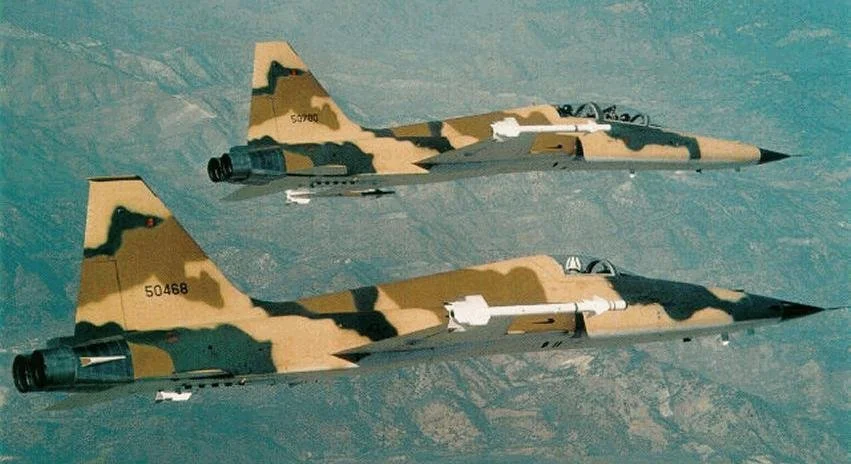
When graduates from Vahdati 4th Tactical Fighter Base were sent to their permanent bases, such as the 2nd Tactical Fighter Base in Tabriz or the remaining squadrons at Vahdati, they arrived fully operationally ready, fully qualified to execute both air defence and strike missions from day one.
The full operational conversion course at Vahdati AFB usually lasted about 6 to 8 months, depending on weather and aircraft availability. It was an intensive, full-time program. Pilots accumulated roughly 80 flying hours in the F-5 before qualifying as combat-ready wingmen and being sent to their operational squadrons. I completed this training in May 1975 and was assigned to Tabriz, the 2nd Tactical Fighter Base in the province of East Azerbaijan, northwest Iran, on June 1, 1976. It was an unusually long course (about 13 months) for my cohort because of the weather and operational complexities at the time.
The death of General Khatami
General (Teamssaur) Mohammad Amir Khatami served as commander-in-chief of the Imperial Iranian Air Force (IIAF) from 1958 to 1975, the same year I was at Vahdati AFB. He was a highly influential general and an advisor to the Shah. He is credited as one of the founding fathers of the modern Iranian Air Force.
General Khatami died in a fatal glider crash on 12 September 1975, nearly five months after I went to Vahdati AFB. The accident occurred at Dez Dam near Dezful while he was taking part in recreational hang-gliding.
Because he was so influential, a brother-in-law of Mohammad Reza Shah Pahlavi through his marriage to Princess Fatemeh Pahlavi, and central to Iran's massive military expansion, his sudden death at 55 shocked the nation. After his death, he was buried at the Mausoleum of Reza Shah, and Lieutenant General Fazaael Taddayon was appointed to take command of the Air Force.
At the time of General Khatami's fatal crash, the base commander of Vahdati Air Force Base was Brigadier General Ayat Mohagheghi. The accident had an immediate effect on Vahdati AFB, prompting a security lockdown and an investigation. General Khatami’s death triggered an intense investigation. Vahdati AFB became the central command hub for the recovery operation at the nearby Dez Dam.
The accident severely strained relations between the base leadership and the Imperial Court. Rumours (conspiracy theories) spread quickly through the ranks at Vahdati that the Shah had ordered sabotage of Khatami’s glider because the General was becoming too powerful and was strongly favoured by the Americans as a potential political successor. This eroded trust in Tehran within the flying squadrons. Khatami was revered by fighter pilots at Vahdati and elsewhere in the Air Force. His sudden death, followed by the appointment of a non-pilot (General Taddayon), deeply damaged morale.
Brigadier General Mohagheghi eventually left his post in Dezful and took on other operational commands. However, the resentment and suspicion that grew during this period culminated after the 1979 Revolution. In 1980, Mohagheghi, the former Vahdati commander, became the chief military leader of the famous Nojeh Coup Plot, an attempt by royalist Air Force officers to overthrow the newly established Islamic Republic. The plot was discovered, and Mohaqeqi was subsequently executed.
The Nojeh Coup Plot, officially codenamed NEQAB, meaning "Mask" or "Masked Uprising", was an organised military and civilian conspiracy on 9–10 July 1980 aimed at overthrowing Ayatollah Ruhollah Khomeini's newly established Islamic Republic. The plot was orchestrated by a network of royalist military officers and secret service members loyal to the ousted Shah. The operation was politically backed and financed by Shapour Bakhtiar, the Shah’s final Prime Minister, who was living in exile in Paris. Conspirators within the Air Force were to seize Nojeh Air Base (formerly Shahrokhi Air Base) near Hamadan. From there, elite fighter pilots flying F-4 Phantoms were instructed to launch air strikes on Ayatollah Khomeini’s residence in Jamaran north of Tehran, Mehrabad Airport and the Islamic Revolutionary Guard Corps (Pasdaran) headquarters.
The coup fell apart just hours before it was due to begin because of major breaches in operational security. Three days before the operation, an Air Force pilot wrestled with a serious moral dilemma over the civilian casualties the bombings would cause. He went straight to Khomeini's house and explained the conspiracy's inner workings to the guards. Separately, a non-commissioned officer from the Hamadan base came forward with more details about the ground infiltration timeline. Armed with exact locations, times, and names, the Revolutionary Guards set up an ambush at Nojeh Air Base. As paratroopers and plotters arrived on the night of 9 July, they were systematically arrested.
The failed coup gave the fledgling Islamic government the justification it needed to eliminate the remaining royalist sentiment within the armed forces. Hundreds of officers and civilians were arrested in the days that followed. Tribunals at Evin Prison issued swift death sentences. Brigadier General Mohagheghi was among the first ringleaders executed on 19 July 1980. The regime then carried out an aggressive purge across all branches of the military. Hundreds of experienced, Western-trained Iranian pilots and officers were executed, jailed, or forced to retire.
These brutal purges left the Iranian military critically weakened and disorganised. Sensing this severe vulnerability, Iraqi dictator Saddam Hussein launched a full-scale invasion of Iran just two months later, in September 1980, triggering the devastating eight-year Iran-Iraq War. Ironically, the regime had to release many jailed pilots from the Nojeh plot simply because it desperately needed skilled personnel to fly the F-4s and F-14s against Iraq.
Sorry for digressing from Vahdati and 1975, but these notes provide context and seem very important to me.
Fond Memories of My Time at Vahdati
At Vahdati Air Force Base, we had the chance to explore several southwestern Iranian cities beyond Dezful and Andimeshk and unwind. I have fond memories of travelling to Shush and Ahvaz with my fellow pilots a few times during that period, and of making long trips to Tehran at least once a month.
a) Shush: Shush (Susa in ancient times) is a historic city in southwestern Iran's Khuzestan Province, known as one of the oldest continuously inhabited settlements on Earth, with a civilisation dating back to nearly 7,000 BCE. Located about 30 kilometres from Dezful, Shush served as the grand winter capital of the Achaemenid Empire under Darius the Great and as the ancient capital of the Elamite Kingdom.
Beyond its deep archaeological significance, Shush also had a special appeal for the personnel stationed at Vahdati Air Force Base. When I was at Vahdati, Shush became a popular weekend getaway, offering an intriguing contrast between world-class ancient monuments and scenic riverside leisure for officers looking to break up the isolation of a remote air base.
The small Shavur (or Shavoor)River flows straight through the heart of Shush, dividing the city into eastern and western sections. The UNESCO World Heritage site of Susa sits on the eastern bank of the Shavur, while the legendary Tomb of Daniel stands directly on its banks. Another much bigger river, the Karkheh River, located immediately to the west, passes just outside the ancient ruins. It was renowned for its pure water, which was sacred in antiquity, and Achaemenid kings like Darius the Great would drink only from this river, carrying jars of it on military campaigns.
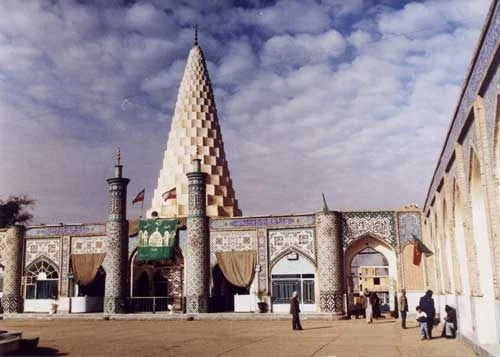
The Tomb of Daniel (Aramgah-e Danyal-e Nabi), located in Shush, is the most widely accepted burial place of the biblical prophet Daniel (shown below). Situated on the eastern bank of the Shavur River, this sacred mausoleum stands as a powerful monument to shared heritage, regularly drawing pilgrims from Jewish, Muslim, and Christian communities alike. The shrine is known worldwide for its white, 20-metre-high pineapple dome. It features 25 multi-tiered conical rings, a design influenced by the ancient pre-Islamic Elamite stepped tower.
b) Ahvaz: During the 1970s, Ahvaz was the hyper-modernised, bustling centre of Iran's oil boom, drawing massive state investment that transformed its urban landscape. Soaring oil revenues rose sharply, especially after the global 1973 oil shock, when Arab OPEC members declared an oil embargo against nations supporting Israel during the Yom Kippur War, which quadrupled global oil prices. This crisis, which I was totally oblivious to at the time, fueled a rapid, government-led industrialisation program that turned the Khuzestan capital into a cosmopolitan, technologically advanced world city. However, this immense wealth remained concentrated in the urban core and its industrial enclaves, leaving the surrounding rural and suburban Arab communities largely marginalised and socio-economically excluded.
During this period, Agvaz became an elite hub populated by thousands of Western expatriates, primarily American and British oil engineers, as well as affluent non-Arab Iranian technocrats, merchants, and state officials migrating from central provinces such as Isfahan. They enjoyed modern American-style compounds, luxury clubs, and advanced educational institutions like Jundi Shapur University.
During my time at Vahdati AFB, Ahvaz’s nightlife, restaurants, and bars reflected a vibrant, Westernised, and highly stratified oil-town culture. Fueled by upper-class secular social liberties and a huge influx of petrodollars, the city offered an energetic evening scene that rivalled Tehran, centred largely on exclusive oil company clubs, luxury hotel lounges, and neon-lit downtown avenues. This entertainment economy was strictly segregated, catering to Western expatriates, affluent Iranian technocrats, and military elites (which we arrogantly included ourselves), while completely bypassing the local suburban population.
c) Owning and Riding a Motorcycle: At the time, and maybe even now, pilots were strictly prohibited from owning or riding motorcycles. The military imposed this rule for a very practical reason: to protect the huge financial and strategic investment in its pilots. Training a fighter pilot to fly complex jets took years and cost millions of dollars per pilot. The Air Force viewed motorcycles as an unnecessary, high-risk hazard. A minor crash could lead to a broken wrist, a fractured ankle, or head trauma, instantly grounding a multi-million-dollar military asset.
Despite the ban, some fighter pilots were drawn to the thrill of speed and the appeal of mechanical engineering. Some secretly disobeyed the order. I was one of them. A couple of months into our training at Vahdati AFB, I bought a second-hand midsize motorcycle from a friend of a friend. If a pilot was caught riding or, in the worst-case scenario, injured in a motorcycle accident, the repercussions were severe.
One day, I took a friend on a sightseeing tour along a local tributary of the River Dez. Almost halfway through the trip, we unexpectedly came across a stretch of road under construction with a rough, slippery surface, where I lost control and crashed into a large pile of gravel. We were lucky the loose gravel absorbed most of the impact, and we ended up with only minor bruises. Nonetheless, we had to go to the hospital for a check-up because we were unsure whether we had a concussion or any fractures. This meant we had to come forward with the story and admit our mistakes.
It was fortunate that our commander was pleased with our overall performance, took it well, and let us off with only a verbal warning, partly because we had not yet been formally introduced to the regulation. However, I never forget both the thrill and the stupidity of this incident.
Long Trips to Tehran
Despite all the amenities at Vahdati AFB and all the attractions in Dezful, Andimeshk, Shush, and Ahvaz, some of us were determined to go to Tehran as often as possible to see our families and extended friends and make use of the opportunities and resources available only in Tehran.
However, the driving distance between Tehran and Dezful was approximately 650 kilometres, taking around 8 to 10 hours by car. The train journey also took about the same amount of time, and it was constrained by the timetable and seat availability. In 1975, travelling between Tehran and the Dezful-Andimeshk region was a true expedition, shaped by rugged terrain, mechanical endurance, and the lively atmosphere of pre-revolution Iran.
Driving to and from Tehran was a punishing test for both the driver and the car. There were no multi-lane expressways or smooth asphalt freeways through the mountains. The road was a narrow, predominantly two-lane thoroughfare. The surface quality was highly inconsistent, shifting frequently from asphalt pitted with severe potholes to long stretches of rough, unpaved gravel. Crossing the Zagros Mountains between Khorramabad and Andimeshk was notoriously perilous. Drivers had to navigate endless, unlit switchbacks hugging sheer cliff faces with no guardrails. The mountain passes were choked with smoke-belching diesel trucks carrying freight from the Persian Gulf ports, forcing cars to crawl behind them for hours.
Many of my friends bought cars in the US and brought them to Iran. Some sold them in Tehran for a handsome profit, while others kept the cars for themselves and brought them to Vahdati AFB. I didn’t buy a car in the US and didn’t have one at Vahdati AFB, but I would likely ride with one of my friends in an iconic American import, such as a Chevrolet, like the one one of my closest friends, SheerAfkan, had, or a Buick, often without air conditioning. Descending into the blistering Khuzestan plains near Dezful meant rolling down all the windows and enduring the intense, dusty heat.
The roadside culture was lively. We would stop at rural teahouses or restaurants to let our engine cool, drink hot tea, and eat traditional kebab while chatting with truck drivers coming from the opposite direction about the road ahead and what to expect at the notorious bottlenecks.
Taking the train in 1975 was far more comfortable than driving, though it was still slower, noisier, and much more atmospheric than modern rail travel. You would be riding the legendary Trans-Iranian Railway, the pride of Pahlavi-era infrastructure. The trains featured older, heavy-set, European-style passenger carriages. Without modern climate control or sealed acoustic insulation, the journey was intensely sensory. The rhythmic clack-clack of the tracks was loud, and the scent of diesel exhaust, loose dust, and tobacco smoke filled the corridors. As the train climbed from the desert lowlands of Andimeshk into Lorestan province, you would lean out of the heavy, openable windows to catch the breeze. The train snaked through hundreds of hand-carved tunnels, crossed breathtaking stone viaducts, and ran alongside roaring mountain rivers.
In 1975, life in Tehran was shaped by a dizzying boom that turned the capital into a bustling, cosmopolitan metropolis often called the "Paris of the Middle East". Tehran was a surreal blend of cutting-edge Western consumerism, rapid urbanisation, and deep-seated Persian tradition. While millions in Iran lived traditional lives, Tehran's rising middle and upper classes walked tree-lined boulevards (such as Pahlavi Avenue) in 1970s European fashion, often visited jazz clubs, and drove locally assembled Paykan cars or luxury American imports.
During this period, there was a stark structural divide between Tehran and provincial cities such as Dezful. Wealth and resources were concentrated almost entirely in the capital and a few other cities, including Mashhad, Shiraz, and Isfahan. Tehran was the nation’s intellectual centre. Institutions like Tehran University were highly progressive; by 1975, women accounted for over 40% of graduates in fields such as medicine and the social sciences.
Additionally, Tehran had a large entertainment industry. It was home to the newly opened Azadi Tower (then called Shahyad), world-class cinemas showing European and Hollywood films, modern opera houses, neon-lit nightclubs, and chic cafés where men and women socialised freely. For us young, energetic pilots, Vahdati AFB, though modern and full of amenities, felt like an isolated sandbox. Tehran, by contrast, offered an immediate escape into luxury and comfort. We were highly paid, elite, the rock stars of our own fantasy. We returned to Iran with a deep fondness for Western music, fast cars, modern bars, and American-style recreation. We gained immense romantic and social prestige, and Tehran was the only city in Iran that could satisfy those lavish desires. Besides, Tehran was where our families lived and where the most high-profile social circles gathered.
Tabriz Air Force Base
On June 1, 1976, I arrived at Tabriz Air Force Base (2nd Tactical Fighter Base, TFB2). In the mid-to-late 1970s, Tabriz Air Force Base was a strategic air base. Located in East Azerbaijan province in northwest Iran, it was a critical frontline asset for Western-aligned air defence due to its proximity to the Soviet Union and Warsaw Pact borders. From 1976 through 1979, Tabriz AFB was commanded by Brigadier General Asghar Imanian, who later briefly served as the chief of the post-revolution air force.
The City of Tabriz
From 1976 to 1978, Iran was in the midst of a major American-backed military buildup. Tabriz was a major recipient of brand-new, modern U.S. Northrop F-5E/F Tiger II fighters. Under the U.S. foreign military sales program, Iran completed its acquisition of about 140 F-5E fighters and 30 two-seat F-5F fighters by 1977. Tabriz served as one of the main hubs for these aircraft, hosting the 21st and 22nd tactical fighter squadrons, which operated the brand-new Tiger IIs.
In 1976 and 1977, the local and civic environment in Tabriz was shaped by rapid industrialisation, great ethnic pride, and growing political exasperation. The city was defined by sharp contrasts, where Western modernisation clashed heavily with traditional Azerbaijani society. While Farsi was the official state language taught in schools and used at the airbase, Azerbaijani Turkish was the everyday language of Tabriz. The local population had a strong sense of regional and cultural identity. Despite the central government's efforts to promote a secular, Westernised lifestyle, Tabriz remained deeply religious. Daily life in the city was governed by Islamic practices, and the local network of mosques held immense social authority.
Fueled by rapid national development, Tabriz was quickly becoming a major hub of heavy industry. Massive factories producing machine tools, car parts, textiles, and cement sprang up on the city's outskirts, creating a new class of industrial workers. In contrast to the new factories, the heart of the city's economy remained the historic Bazaari merchant economy. The merchant class (bazaaris) controlled trade in traditional goods, including world-famous hand-woven Tabriz rugs, nuts, spices, and jewellery. This sector strongly resented the government's corporate monopolies and controls.
Tabriz University was a major centre of civil life. By 1976, it had thousands of students exposed to secular, leftist, and anti-imperialist ideas. It became a notorious hub for underground political pamphlets and student strikes. On university grounds and inside state buildings, women wore Western fashions and men adopted European styles. However, in the older residential quarters, the social fabric remained highly conservative; most local women still wore the traditional black chador in public.
For travellers arriving in northwestern Iran, Tabriz was highly celebrated for its distinct Azerbaijani heritage, mountain scenery, and exceptionally rich culinary culture. During the 1970s, Tabriz offered a mix of ancient ruins and active architectural preservation, including the following.
a) The Blue Mosque (Masjed-e Kabud): in the mid-1970s, this legendary 15th-century structure, which had been severely ruined by earthquakes centuries earlier, was in the middle of a massive, meticulous state-backed reconstruction project that successfully restored its famous turquoise tiling.
b) Shahgoli Park (now El Goli): This massive royal park, centred around a grand artificial lake dating back to the Safavid era, was the premier recreational escape for locals and visitors alike. Visitors would stroll along the promenades or dine at the geometric pavilion restaurant, which sits right in the centre of the lake.
c) The Ark of Tabriz (Arg-e Alishah): This colossal 14th-century mud-brick citadel stood as the physical anchor of downtown Tabriz. In the mid-1970s, the surrounding area served as a public park and cultural gathering space before being repurposed.
d) Kandovan Village: For adventurous tourists willing to drive roughly 60 kilometres south into the Sahand volcanic mountains, the ancient village of Kandovan was a massive highlight. Travellers would marvel at the locals who lived in homes carved entirely from cone-shaped volcanic rock.
Tabriz was, and still is, considered one of Iran’s great culinary capitals, known for many delicious dishes that I still remember after several decades, including the following.
a) Tabrizi Koofteh, the city's signature dish, is a large, dense meatball made from minced meat, yellow split peas, herbs, and walnuts, often stuffed with a whole hard-boiled egg, prunes, or fried onions, then slow-simmered in a rich tomato-saffron broth.
b) Traditional Chelokabab: The local chelokababies used tender skewers of Barg (fillet) or Koobideh (minced meat), served over mounds of buttered saffron rice and topped with a raw egg yolk, sumac, and grilled tomatoes.
c) Lighvan Cheese: Breakfasts in 1970s Tabriz always included local flatbreads (Barbary) served with authentic Lighvan, a sour, salty, brined sheep's milk cheese made in nearby mountain villages.
Life in Tabriz Air Force Base
During the mid-1970s (1976–1977), peacetime life for fighter pilots at Tabriz AFB focused on intense combat training and a very comfortable lifestyle. This period marked the absolute peak of the Iranian Air Force, which had been modernised with cutting-edge Western technology. At the time, Tabriz was a major hub for the newly arrived, state-of-the-art Northrop F-E/F Tiger II fighters.
We spent most of our time mastering these agile tactical fighters as we transitioned from the older F-5A/B models. Our training and operational organisation was almost identical to that of the US Air Force. We frequently underwent rigorous evaluations during domestic and regional exercises, including combat drills and mock combat-flying missions.
The base functioned like a self-contained town, with modern housing, amenities, and officers' clubs. While life inside the base was highly Westernised and secular, the city of Tabriz itself was conservative and religious. Pilots and their families experienced a sharp cultural contrast when leaving the base. Despite this undercurrent, the mid-1970s were a stable period when the local population not only tolerated but also welcomed the economic boost brought by the affluent base personnel.
A typical day for a pilot in the mid-1970s began with early-morning pre-flight briefings, followed by training sorties focused on air-to-air combat, low-level bombing runs, or reconnaissance. Afternoons were spent studying tactics or maintaining peak physical fitness. Evenings were devoted to family or unwinding at the officers' club, living a lifestyle that few could have predicted would be completely upended just a few years later.
In addition to flying duties, I became a deputy training and safety officer, initially responsible for keeping all flight documents up to date and assisting the base safety officer with his duties. This gave me an opportunity to build operational knowledge and experience. I also accepted responsibility for renovating the base's public library, which I enjoyed.
At an Air Force base like Tabriz, a safety officer is responsible for preserving combat capability and readiness by actively reducing risks, preventing mishaps, and ensuring regulatory compliance. Because high-performance fighter operations are inherently dangerous, the role is typically divided into several highly specialised sectors. I was mainly responsible for overseeing a) the Bird/Wildlife Aircraft Strike Hazard (BASH) program, which managed wildlife risks that could destroy multi-million-dollar jet engines, b) the Midair Collision Avoidance(MACA) program, which educated pilots on how to avoid civilian air traffic corridors and our own training missions, and c) investigating near-misses through the Hazardous Air Traffic Reporting (HATR) system and analysing flight data to catch systemic pilot or air traffic control errors before they cause accidents.
In January 1977, I was promoted to the rank of First Lieutenant and became increasingly involved in air-to-air combat training, including dogfights and the use of AIM-9 Sidewinder missiles and the F-5E’s internal 20mm cannons. I was also involved in some more sensitive operational activities of the base, including intelligence analysis.
F-5Es lacked the radar power and hardware needed to guide beyond-visual-range missiles. They were forced to fight strictly within visual range using infrared Sidewinders or guns, making them easy targets for later fourth-generation fighters equipped with long-range missiles. Because their twin General Electric J85 engines were relatively small, they had a lower thrust-to-weight ratio than heavier fighters. They also took a long time to regain energy and speed after losing them. The F-5Es had very poor internal fuel capacity. Pilots had very little time to stay in an afterburner-heavy dogfight before running critically low on fuel, severely restricting their operational radius.
However, the F-5E's primary design philosophy emphasised simplicity and aerodynamics over raw engine power, giving it distinct operational advantages. It is exceptionally small and slender. In visual range, opposing pilots struggled to spot it, allowing F-5E pilots to slip unseen into an enemy's blind spot. Although it lacked the thrust-to-weight ratio of some contemporary aircraft, its advanced aerodynamics and manoeuvring gave it an extraordinary edge as airspeed bled off. In a slow, tight turning engagement, the basic fighter manoeuvre (dogfight), it could easily out-turn and out-angle other fighter jets, such as the MiG-21. F-5Es were simple to maintain, cheap to operate, and highly reliable, meaning air forces could keep more jets in the air than their adversaries.
A dogfight, or Air Combat Manoeuvring (ACM), is a close-range aerial battle between fighter aircraft. Unlike long-range missile exchanges, where pilots target enemies they cannot see, a dogfight is a visual-range, high-speed engagement in which pilots perform sharp, aggressive turns and aerobatics to outmanoeuvre the enemy and gain tactical advantage. The main goal in a dogfight is to manage energy and positioning well enough to get behind the enemy aircraft, often called the "six o'clock" position. Once a pilot is behind the opponent, they can use short-range weapons such as automatic cannons, machine guns, or heat-seeking missiles to force a shutdown.
Shah’s Visit
popopo
fgfgfgfg
Unexpected Changes
Here, I want to write about the unexpected changes, not only in me but also at the base, in Tabriz and across the country, that led me to leave the Air Force and the Islamic Revolution of 1979.
Until 1977, I was not interested in politics or involved in it. I liked reading books and read many in Farsi or translated into Farsi, most of which were apolitical literary fiction. I used to read newspapers too, but I wasn’t interested in the political or social analysis of the news, and I wasn’t questioning myself or anyone else about anything, a totally ignorant, happy-chappy guy, a carefree, cheerful person with a serious lack of awareness, education, or empathy for the world around me.
Taking responsibility for renovating the Tabriz AB library was a turning point. It was not just the library. There were many other things too. I was becoming a mature adult; my attitude was changing; my life was changing; I was thinking about having a family, and the society around me, both locally and more broadly in Iran, was changing, at first subtly, then more and more rapidly, almost exponentially. But definitely, that library was a milestone in the change in me and the change that I noticed around me, which I remember vividly.
I was not religious, and neither was my family, especially my dad. Some of my relatives on my mother's side were religious. My mother was raised in a religious family, and we were (Shia) Muslims in name only, not practising Muslims. I wasn’t thinking about religion at all. It wasn’t something I needed to pay attention to in my life anyway. But it was a major force in Iranian society, particularly in Tabriz, and I couldn’t ignore it anymore.
jhjhjhjhjhj